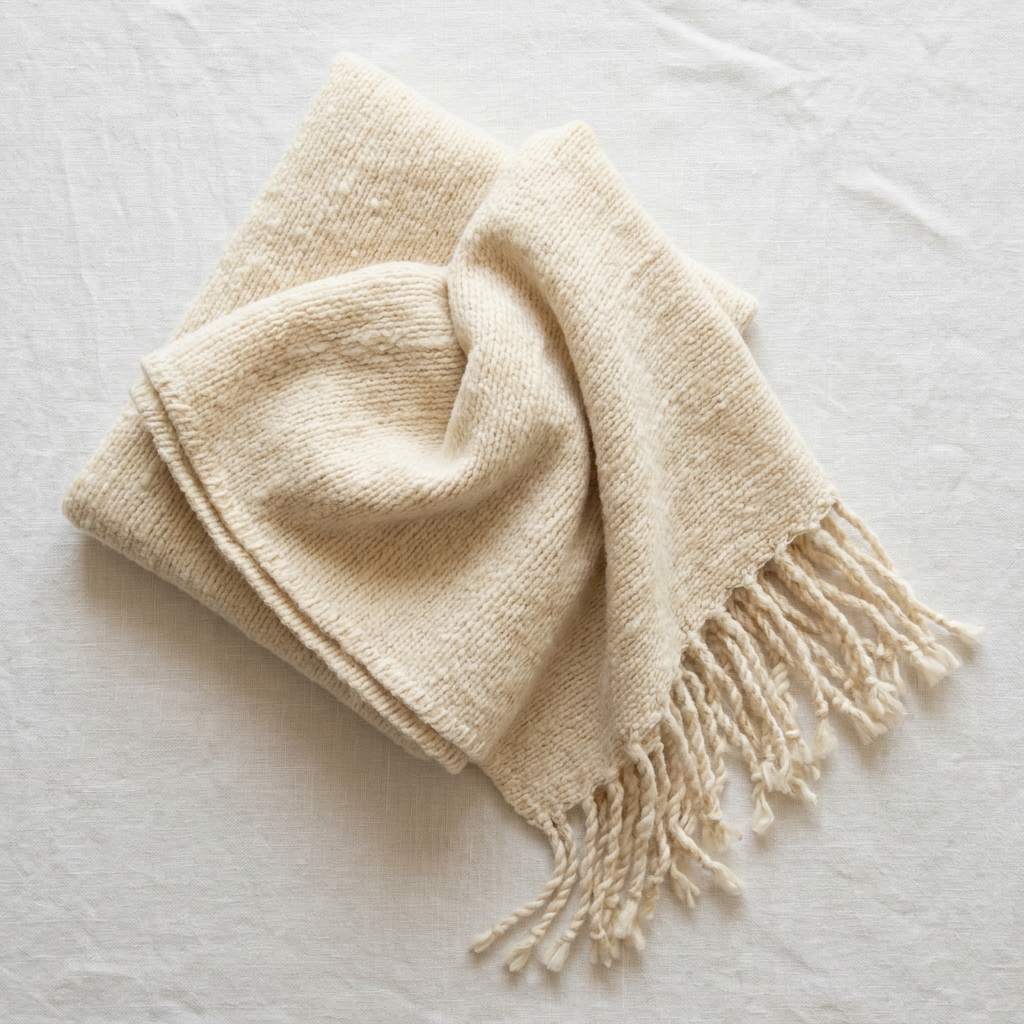
A 78-Year-Old Weaver Refused To Sell His Last 800 Shawls To Any Store
The final eight hundred are leaving his Hudson Valley barn direct, at $79.99 each. Here is who he turned away, and what arrives in the box.
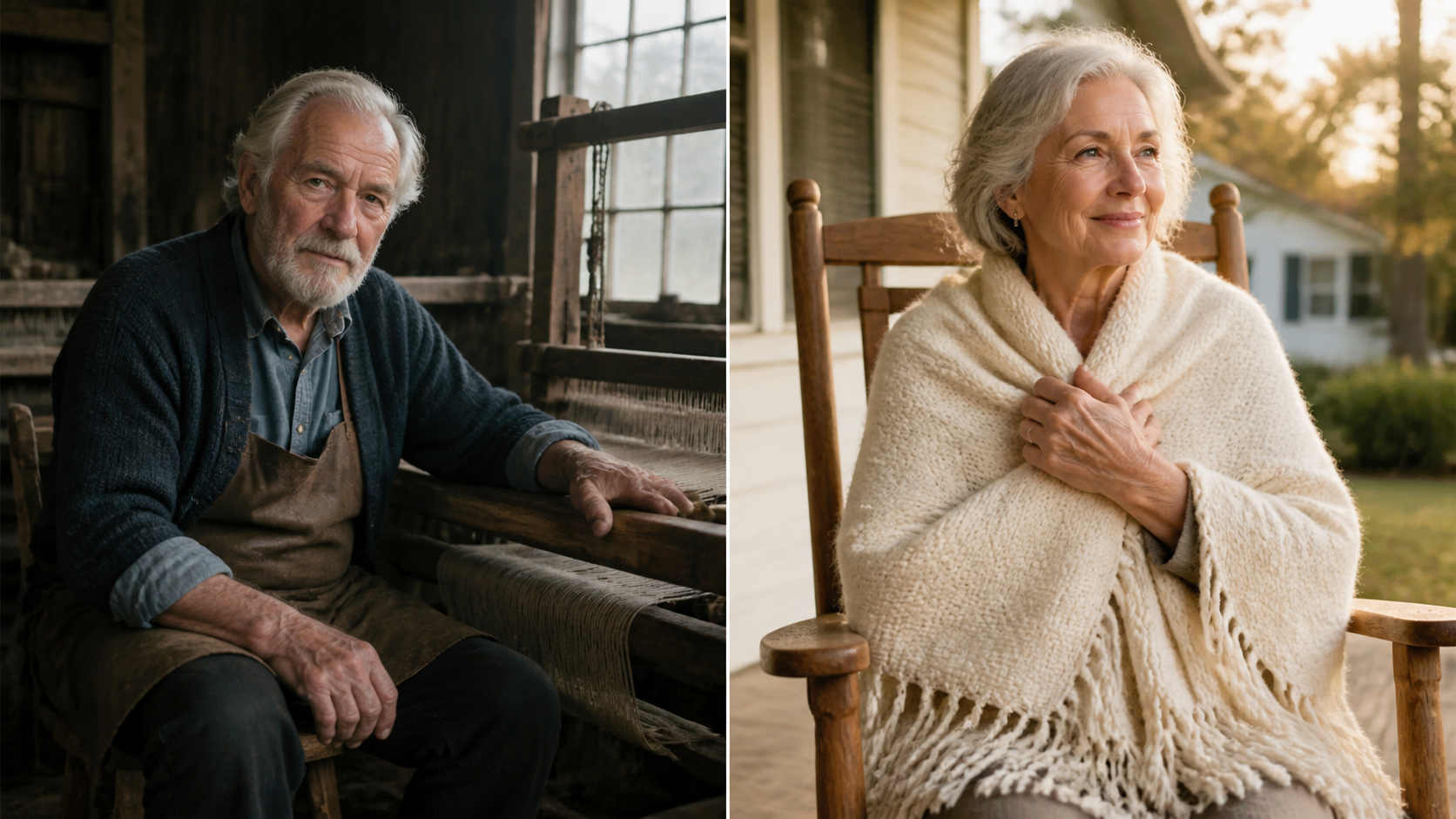
In late February a regional auction house offered Erik Halvorsen $32 a shawl for everything left on his shelves: eight hundred pieces, the last his loom will ever produce. He listened to the whole offer, thanked the man, and said no.
Erik is 78. He has woven in the same converted barn outside Poughkeepsie for 51 years, and his doctor has told him his hands have one more winter in them, not two. His son is an architect in Boston. The last apprentice left in 2019. Nobody is coming after him.
What he has is eight hundred shawls, each one two and a half days on the loom, and one decision left to make: who gets them. He chose to send them out himself, direct from the barn, at $79.99 each. This is why, and this is what arrives when you order one.
What A Halvorsen Feels Like In The First Minute
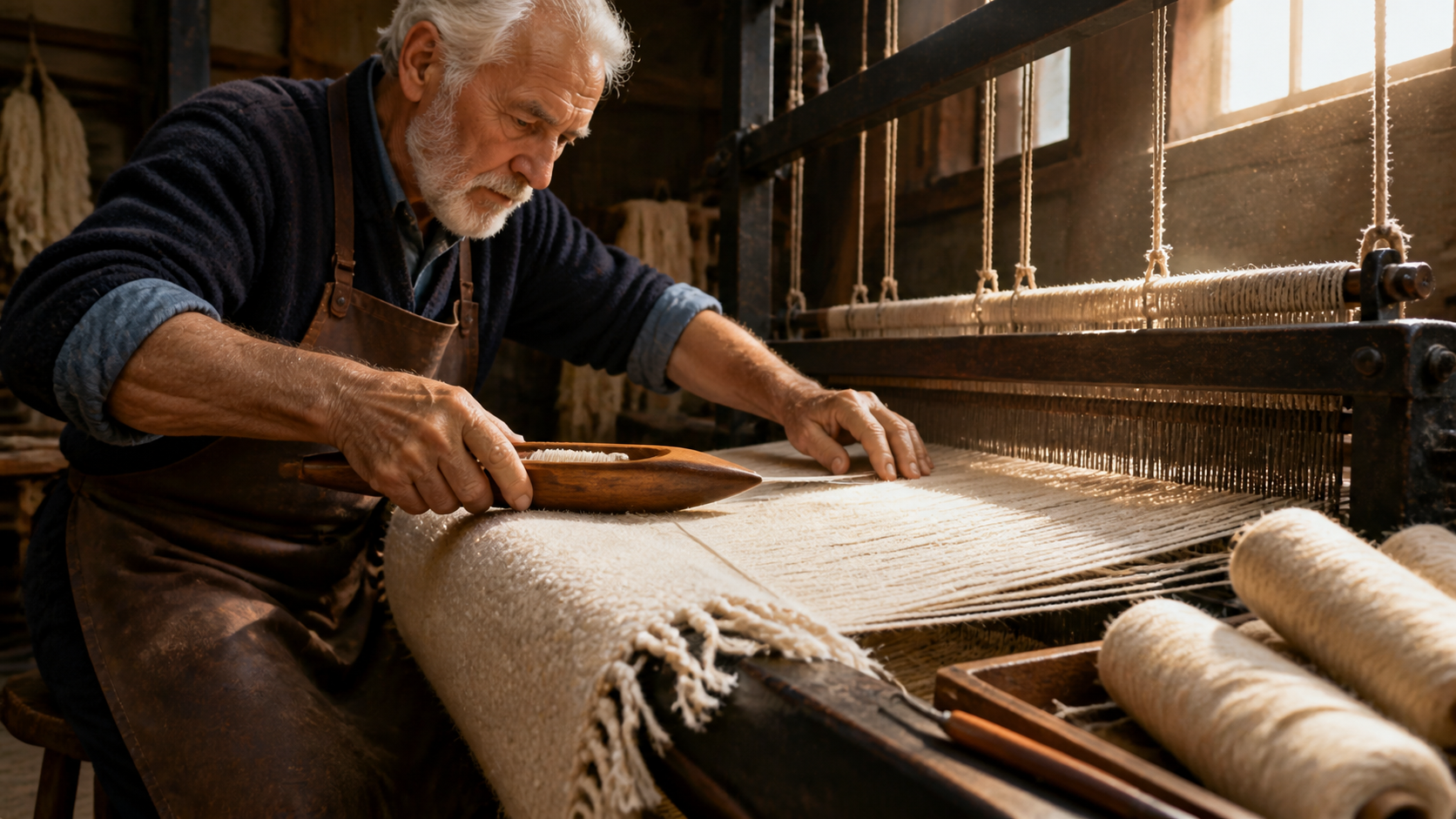
Three things Erik says before anyone orders, because he would rather lose the sale than the trust.
It has weight. Around four hundred grams for a piece roughly 70 by 180 centimetres, two to three times what a department-store wrap weighs. A Halvorsen is made to be wrapped into on a cold evening, not draped over a summer dress. If you want something feather-light for a wedding, this is the wrong shawl.
The weave carries slubs. Small thickenings where the yarn varies. On a machine loom that is a fault. On this loom it is the yarn, spun from one flock's fleece, and every piece has them. A surface with no variation in it is a surface a machine made.
And it smells of wool when it arrives. Air it for a day before you decide anything about it. It is not washed in anything that would take that away, and a synthetic wrap sold as 'wool' never smells of anything at all.
Those three things are also the fastest way to tell, in your own hands, that what you paid for is what you got.
The Last Apprentice Left In 2019, No One Came After
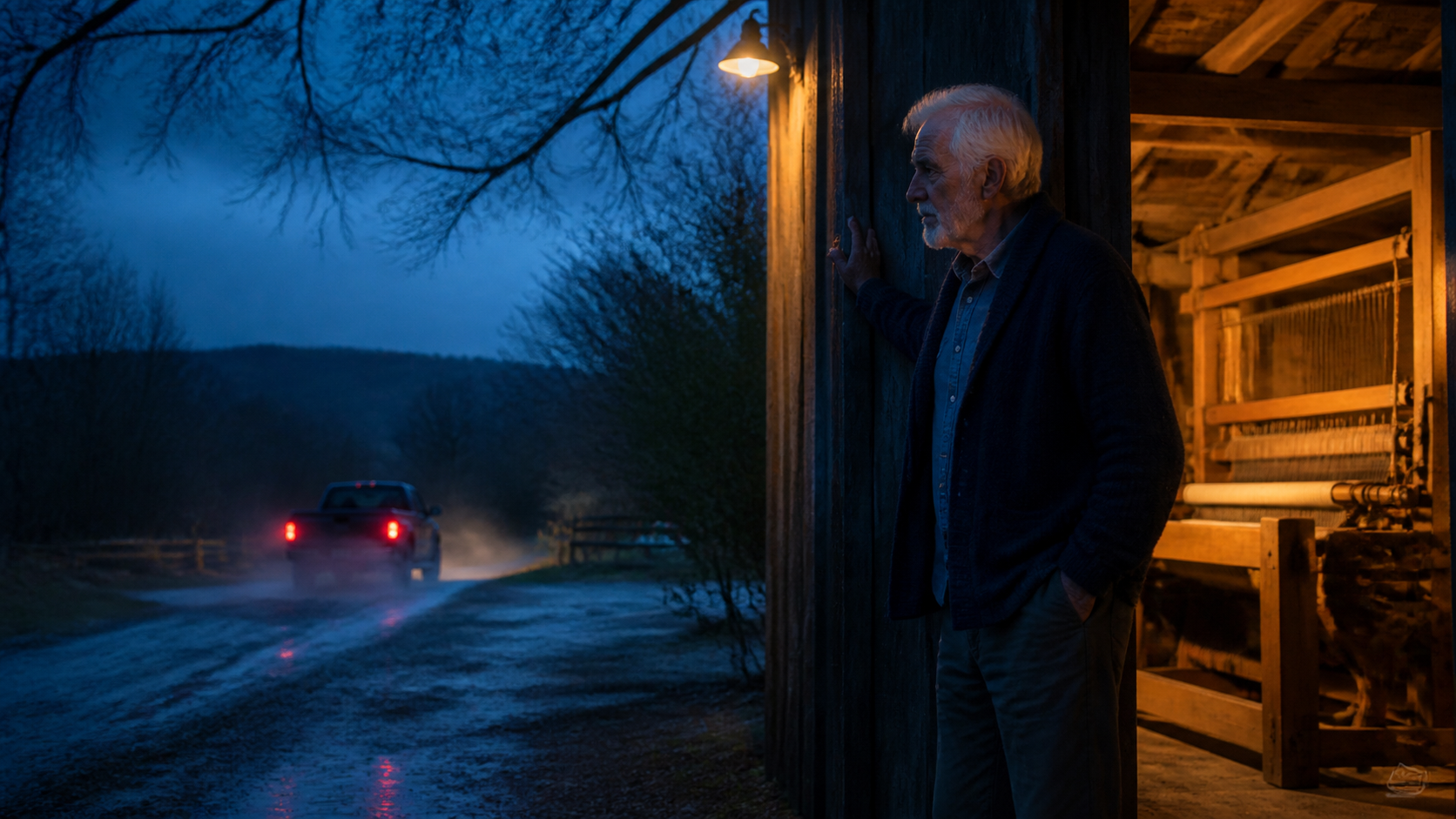
In November 2019, Marcus, the last apprentice Erik trained, packed his tools into a milk crate and took a job at a furniture plant in Kingston. Erik did not blame him. Two and a half days at a loom for one shawl is not a living for a young man with a family.
Through the winter of 2025 the workshop slowly emptied. Erik catalogued each shuttle, each spool, each pattern card in his grandfather's hand. Then, in February, his doctor delivered the verdict he had known for two years: finish what is on the loom, and stop.
'Erik,' his wife Margaret said over coffee that Sunday, 'your father wove until 79 and lost the use of his hands. You are not doing that to me.' The line hurt because it was true.
That afternoon at the kitchen table, Erik decided two things: he would close the workshop at the end of this season, and the eight hundred shawls on the shelves would not go through a middleman.
800 Shawls: Sell Direct From The Workshop, No Manhattan Buyer, No Second Chance
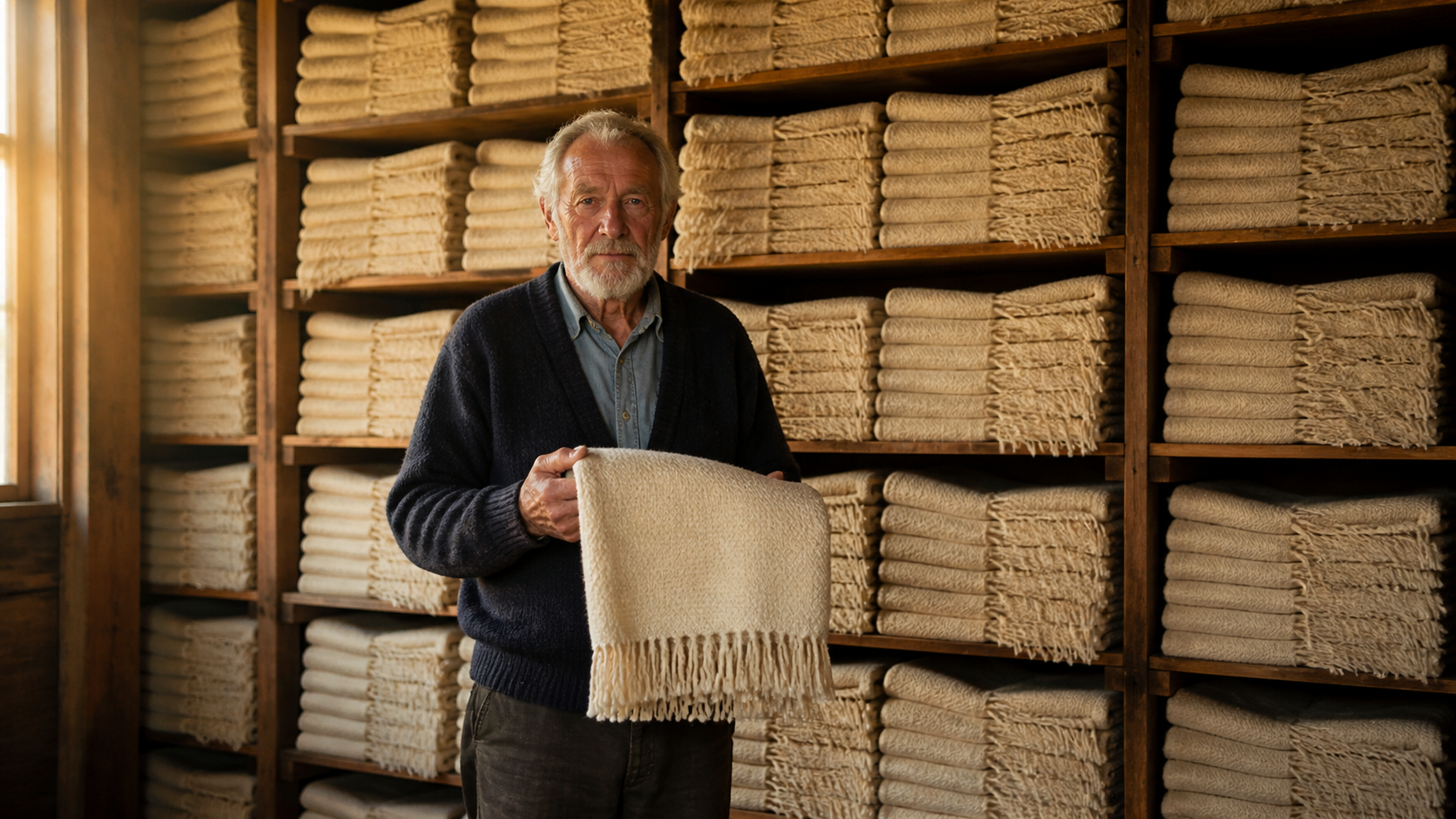
The auction house's $32 a shawl would have turned the last of the line into decorative items in dealer stalls, resold at whatever the market would bear. Erik refused.
Daniel, his son in Boston, suggested another way. Ship them direct from the workshop, before the first cold of the year. Build a simple page. Let the women who would actually wrap into them find them, and the daughters and husbands buying for those women.
Erik set the direct price at $79.99 per shawl, less than half what the boutiques charged for the same piece, and enough to close the barn without debt.
The Halvorsen workshop closes permanently at the end of this season. Once the eight hundred are gone, they are gone, not for a season, but for good.
See the shawl and its priceFrom Bergen To Hudson Valley: A Loom Inherited
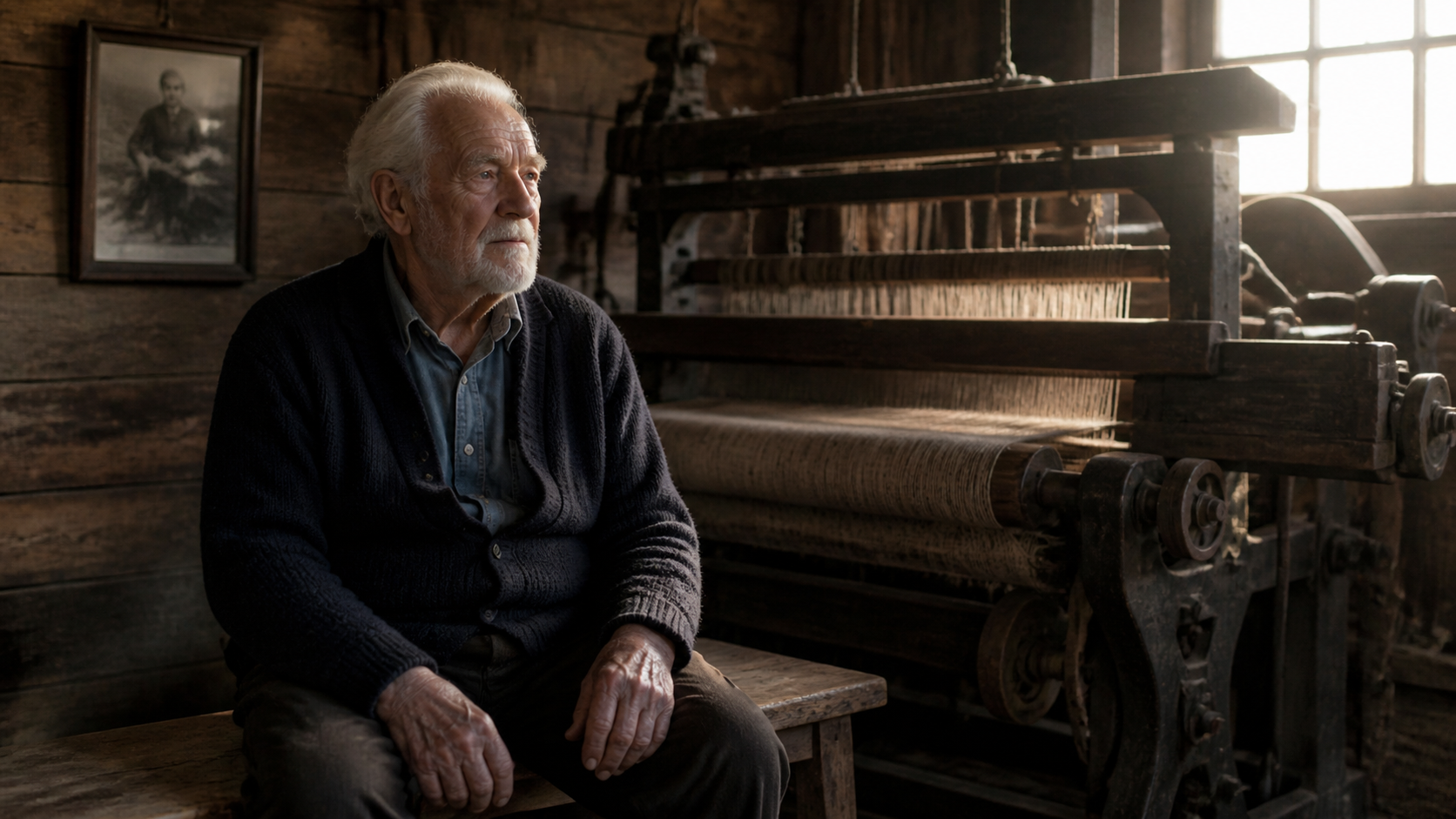
Erik did not choose the loom; he was born into the rhythm of its shuttle. His grandfather Sven arrived from Bergen in 1947 with one shuttle in his trunk and a small loan, and set the loom up in a barn that still stands. Erik's father took it over in 1961. Erik took it over in 1975.
'My father said a shawl should outlive the woman who wraps into it,' Erik recalls. 'So we never learned to make them any faster.'
For three generations, Halvorsen shawls travelled out of the Hudson Valley to mothers in Connecticut, grandmothers in Ohio, wives in Georgia, mostly through the Manhattan buyers who drove up twice a year and tagged them at boutique prices.
"My mother received hers from my father in 1998 for her 60th birthday. She wrapped into it every winter evening for 27 years. I now wear it on Sundays. The wool is heavier than the day she got it."
Three Decades Of Halvorsen Owners
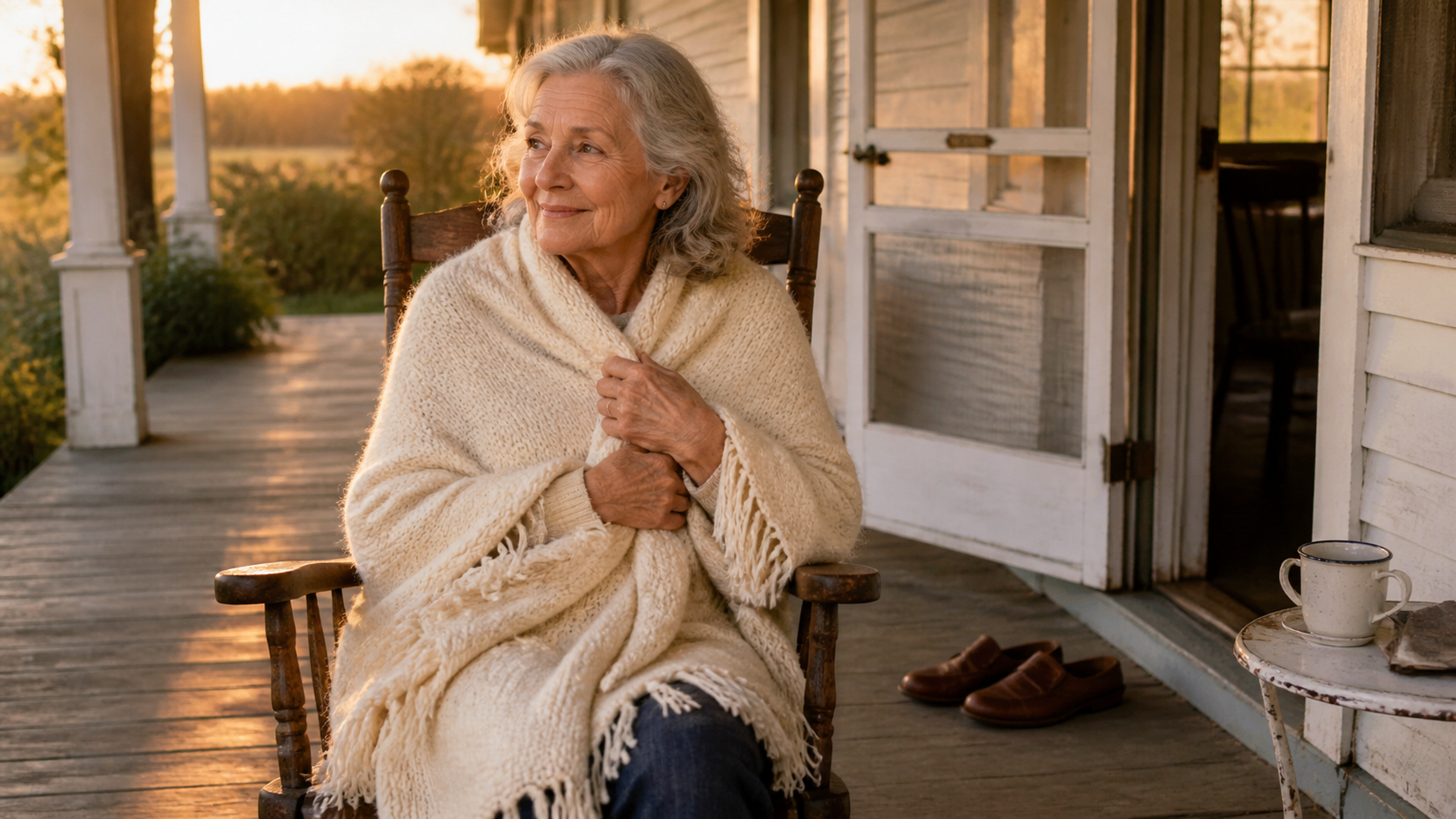
Word of the closing has traveled. Letters and emails arrived from women across the country who own one, and from the people who gave it to them.
"I bought one for my wife in 2008. She is fifty-five now. Three children later, two grandchildren later, she still reaches for it every evening from October to March. It has been washed maybe four times. It looks exactly as it did."
"I have run a tailoring shop in Boston for thirty-one years. I see fabric every day, how it falls, how it wears. This is the only wool wrap I have ever recommended to a customer without a warning attached."
What unites these voices is not enthusiasm. It is patience. None of them write reviews in the ordinary sense; they wrote because something they own is about to stop being made.
What You Receive: The Technical Details Behind The Halvorsen Shawl
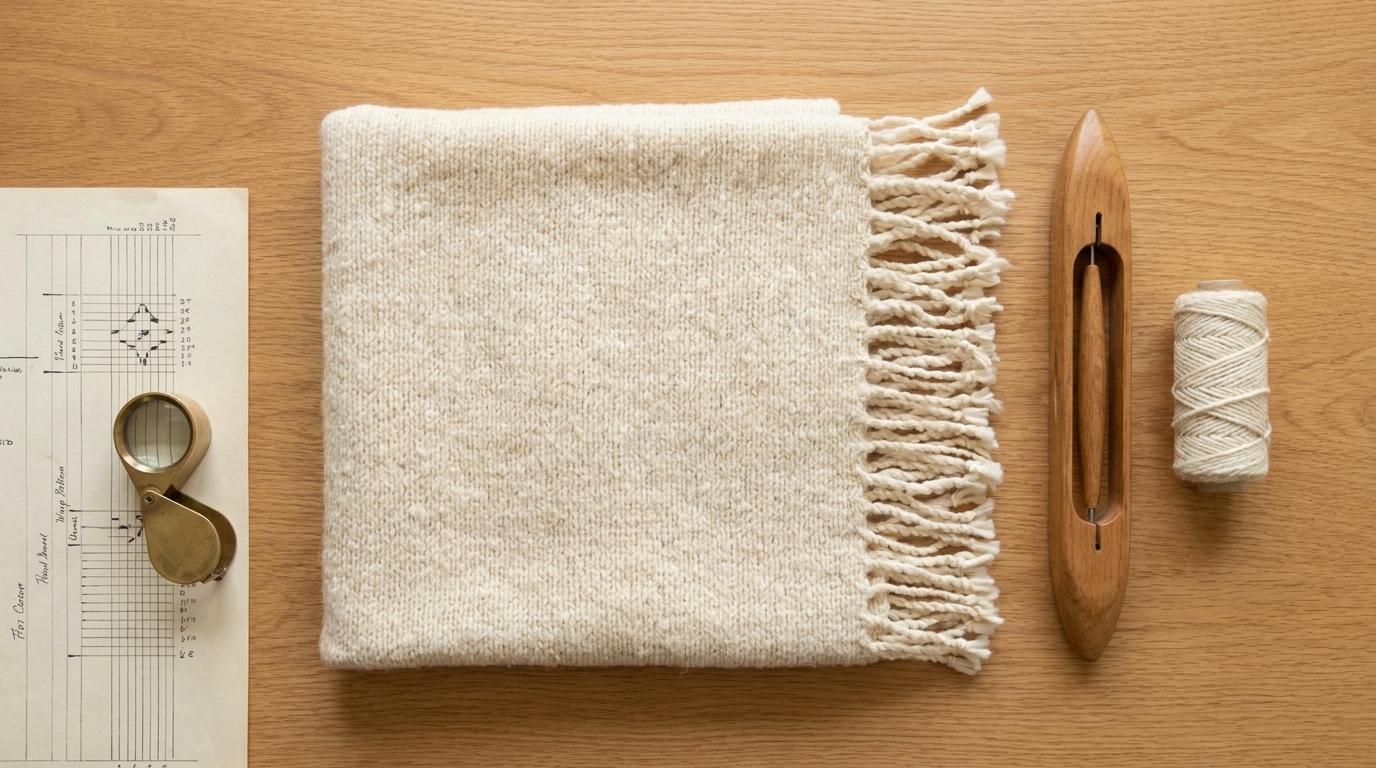
These are not marketing claims. They are the structural differences that explain why a Halvorsen wears the way the owners above describe.
100% American wool from a single flock forty miles from the barn, spun with the slubs left in.
Winter weight. Roughly 70 by 180 centimetres and around four hundred grams, heavy enough to wrap into rather than drape.
Fringe tied by hand, 96 knots at each end, at the close of every loom run.
Five colours, the ones Erik wove most: cream, charcoal, soft sage, dusty rose and camel. Cream is the one most owners write about.
Signed on the inside selvedge with the year, in thread. The oldest Halvorsen still in service was woven in 1976 and belongs to a 91-year-old grandmother in Vermont.
See the shawl and its priceHow To Get One Of The Final 800 Before The Loom Goes Quiet
This is not a clearance and it is not a seasonal markdown. It is the last run of a loom that will not run again, sold at the price the maker chose.
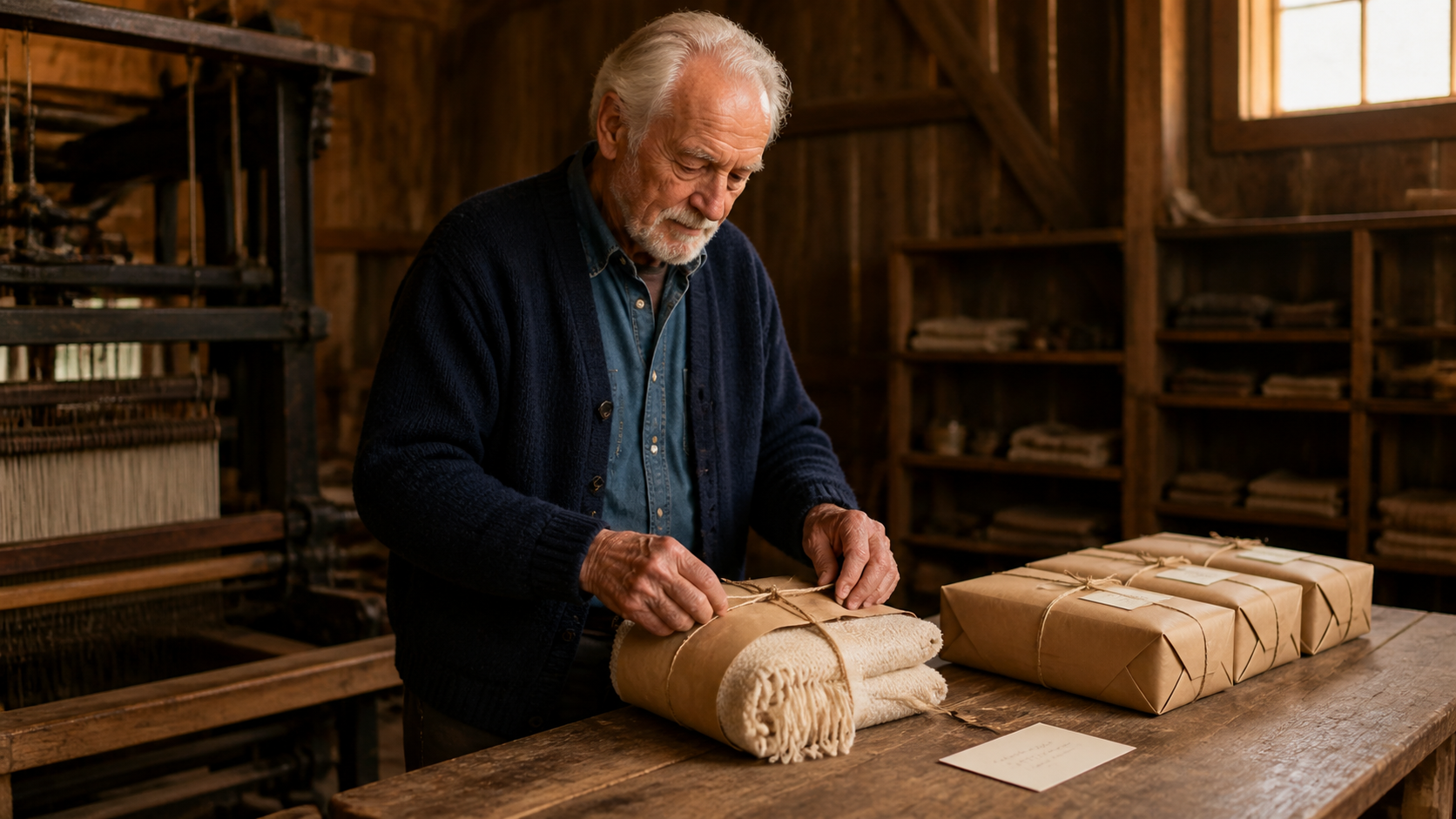
Each shawl is folded by Erik or Margaret in the barn, wrapped in unbleached muslin, and shipped from the workshop. You choose the colour yourself, so look at the five before you order; colour is the only reason a Halvorsen has ever come back.
For yourself, or for the woman you already have in mind while reading this. For those who refuse mass-produced gifts, and for those who want an object the person receiving it will actually wrap into for the next thirty winters.
Thirty days to decide, and the risk is not yours. Unwrap it. Hold it. Weigh it against whatever you were going to buy instead. If it is not what this page said it was, it goes back within thirty days of delivery and the purchase price is returned.
One thing said plainly rather than found out later: you cover the postage to send it back. That is a few dollars against seventy-nine. Nobody will ask you to explain what was wrong with it.
See the shawl and its price— Erik Halvorsen, final master, the Halvorsen Workshop, Poughkeepsie, closing this winter